

Raw Material
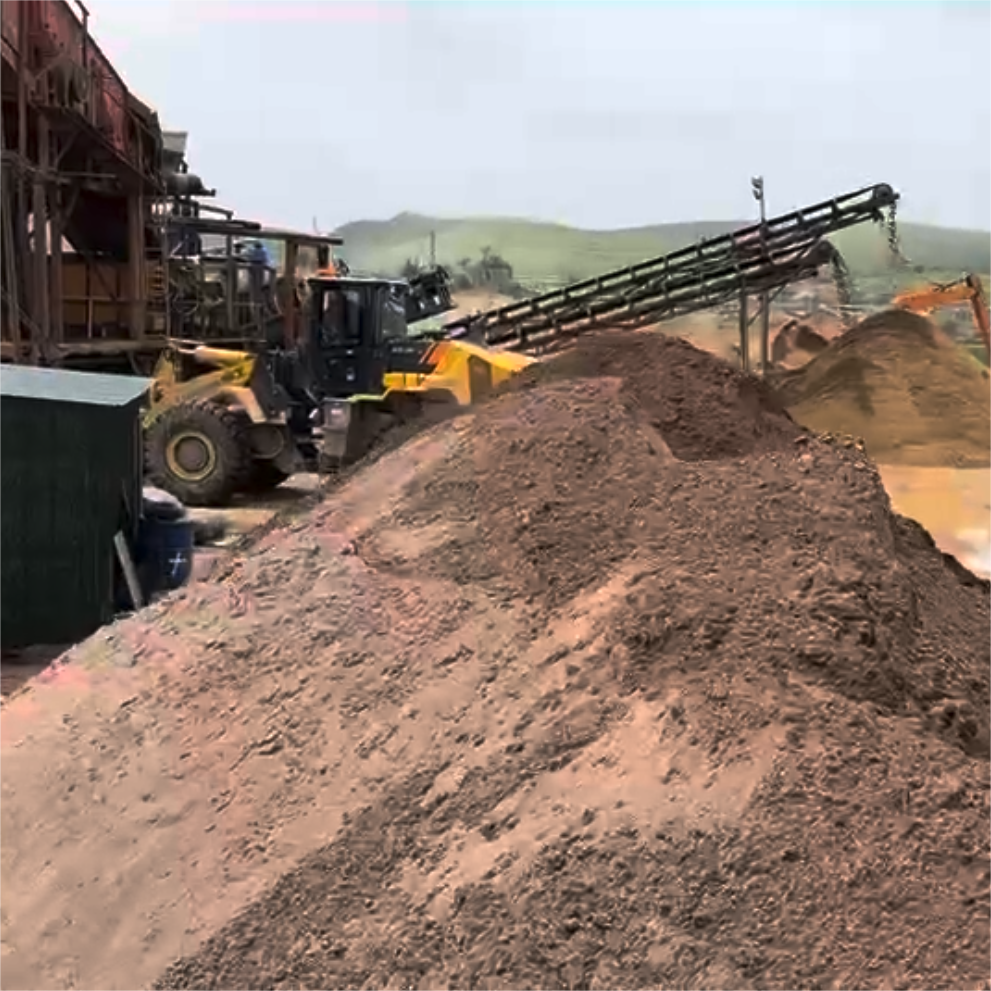
River Garnet Source
Alluvial river garnet is selected for stable mineral quality, cleaner material and reliable abrasive performance.


Supply Capability
SEPPE supports abrasive buyers with raw material selection, processing, export packaging and container loading for stable international supply.
Raw Material
Alluvial river garnet is selected for stable mineral quality, cleaner material and reliable abrasive performance.
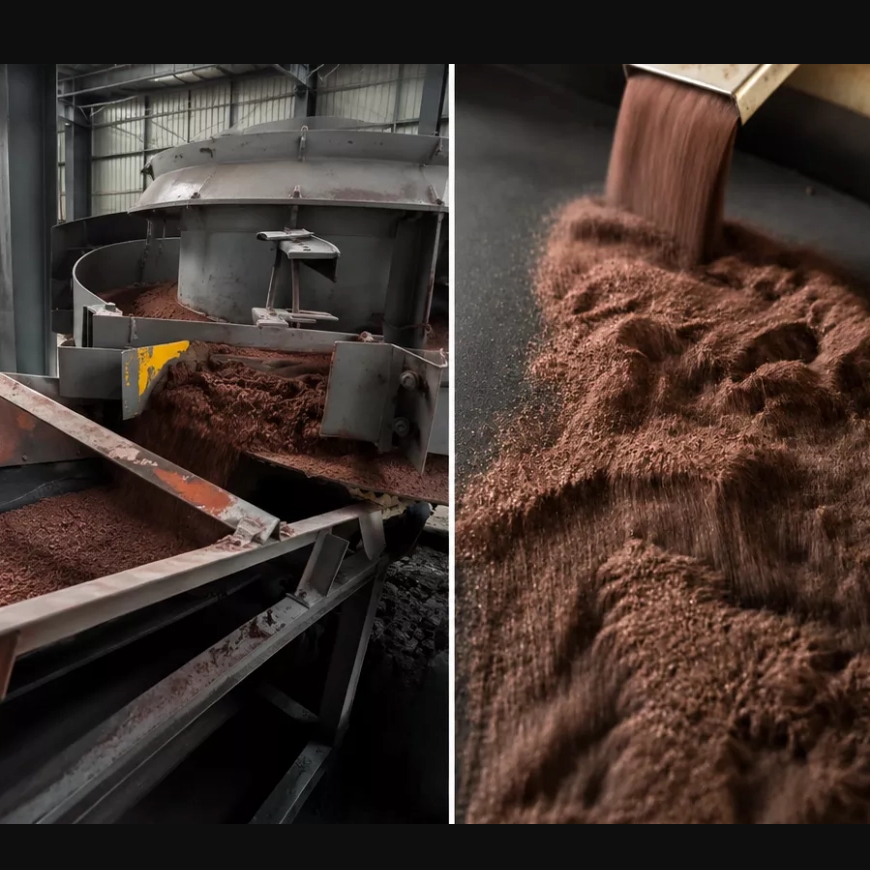
Processing
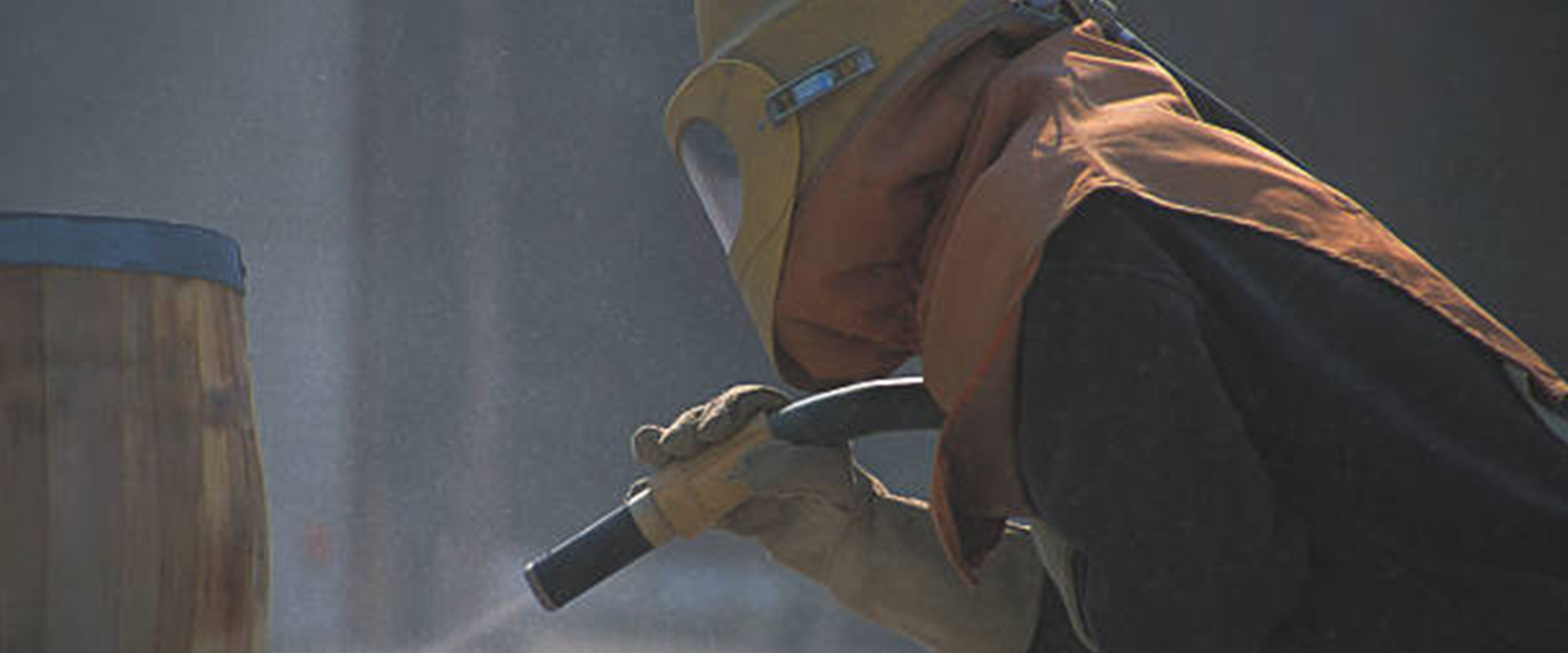
Garnet is processed and classified to control mesh size for sandblasting, waterjet cutting and surface preparation.
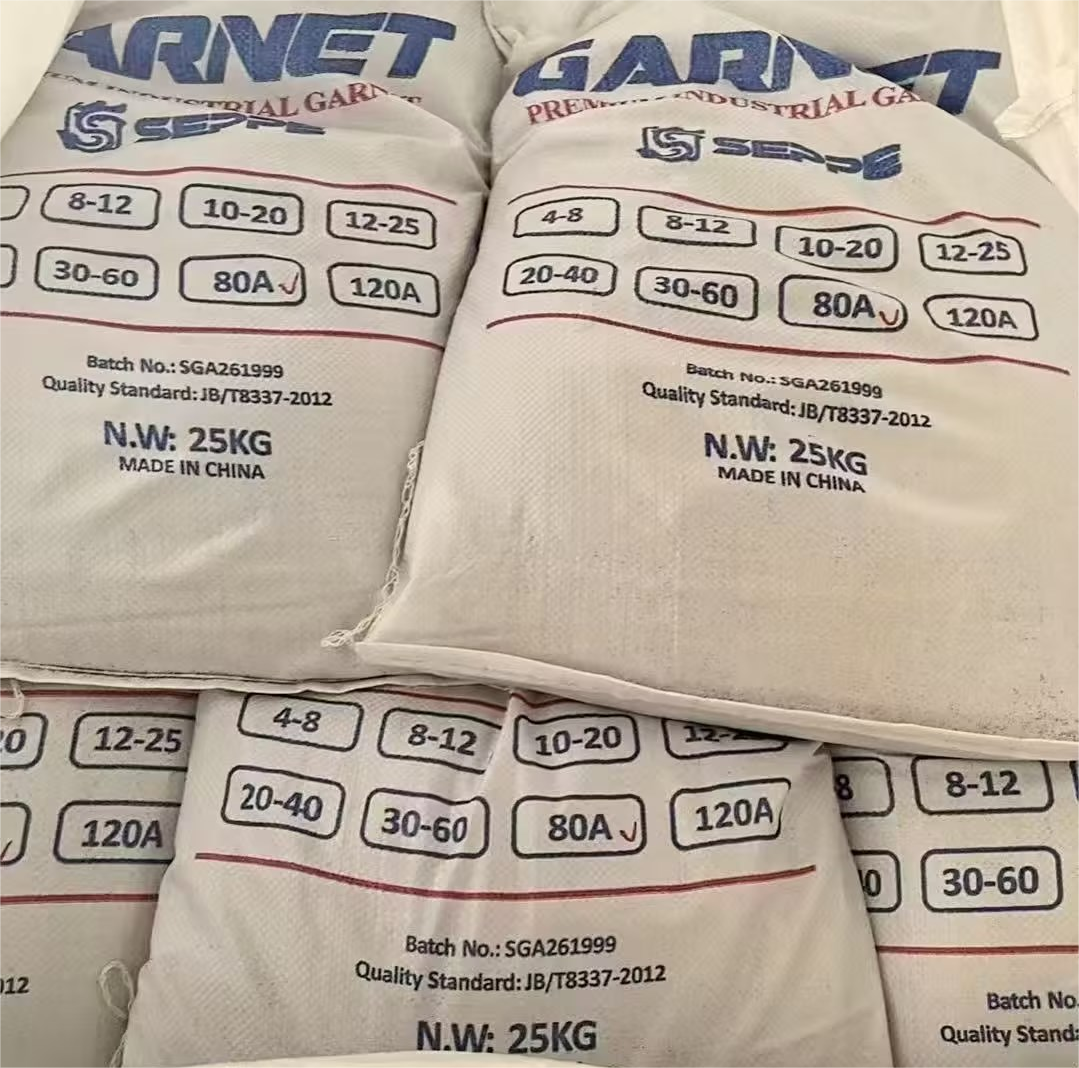
Packaging
25kg bags and jumbo bags are available for distributors, bulk orders and different shipment requirements.
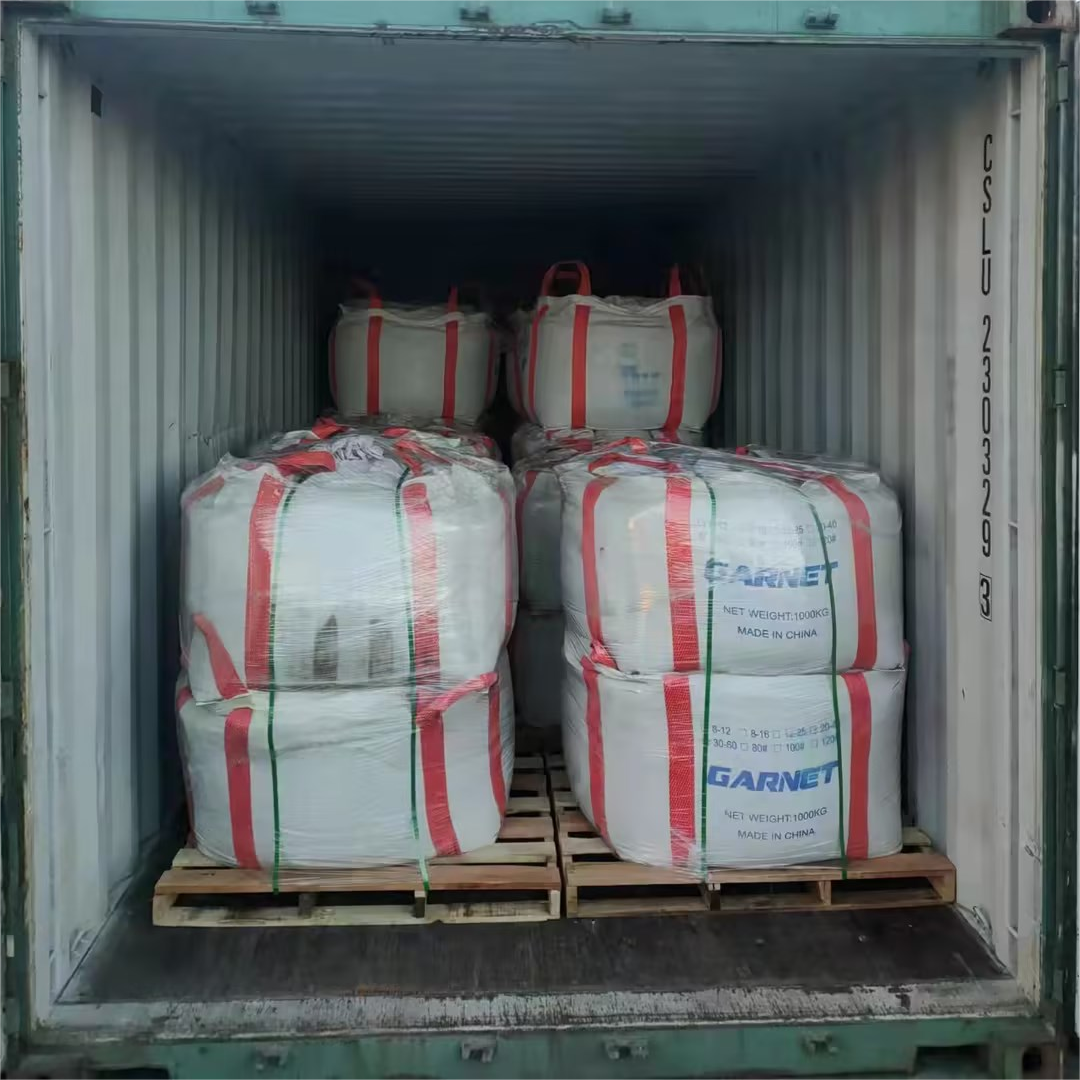
Shipment
Packed garnet abrasives are arranged for container loading to support sea freight and export delivery.


A practical guide to choosing a garnet abrasive supplier based on product data, application fit, packaging, shipment handling, and support.

China, India and Australia have different garnet deposits and processing routes. This article outlines their sources and compares selected 30/60 abrasive parameters.

Garnet abrasive flow problems can come from the abrasive, feed settings or equipment. This article explains common causes and practical prevention measures.
