
Views: 103 Author: SEPPE Garnet Team Publish Time: 2026-07-24 Origin: SGA Blasting
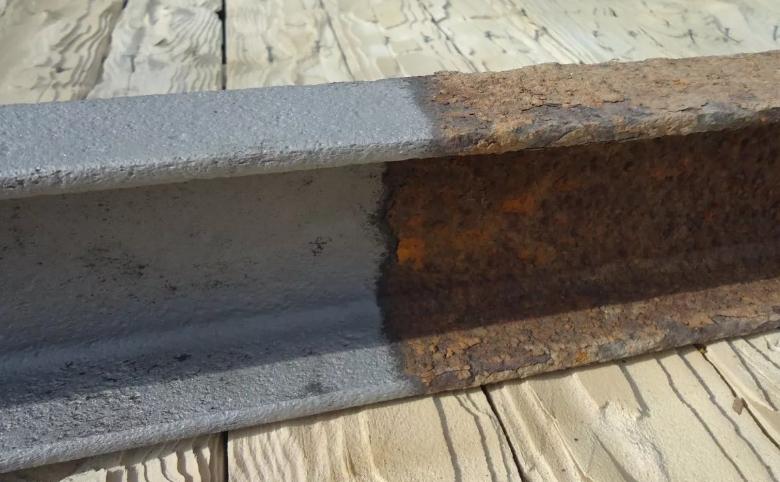
Removing rust from steel is not simply a matter of making the metal look clean. If the surface will be painted, blasting must also produce the required cleanliness and surface profile without damaging the steel underneath.
Garnet abrasive is well suited to this work because its angular grains cut through corrosion and old coating while leaving a profile for the next coating to grip. The grade and blasting setup should be chosen from the condition of the steel—not from mesh size alone.
Check whether the corrosion is light and even or concentrated around pits, welds and edges. Note any mill scale or previous coating, and identify that coating before it is disturbed. Thin sheet and repaired areas may need a gentler approach than heavy structural steel.
The coating specification should define the required visual preparation grade and surface-profile range. It may also set limits for remaining dust, soluble salts and the time allowed before coating. A grade such as Sa 2½ describes visual cleanliness; it does not by itself define the profile. See Sa 1, Sa 2, Sa 2½ and Sa 3 Sandblasting Grades for the distinction between these preparation levels.
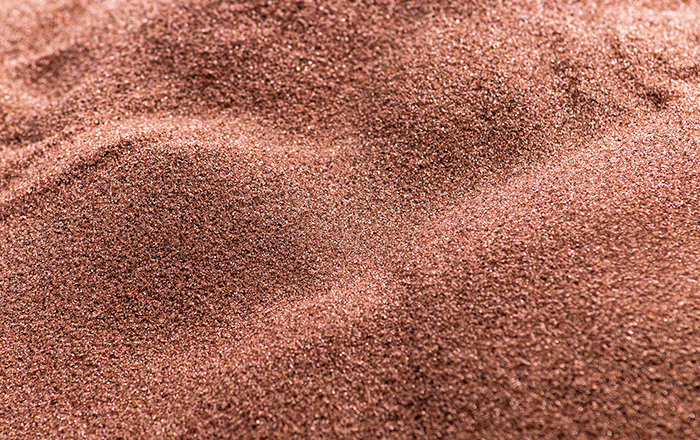
Coarser abrasive cuts more aggressively, but it may also leave a deeper profile. A finer grade offers more control and can be the better choice when the coating system calls for a moderate finish.
| Starting condition | Starting grade | What to watch |
|---|---|---|
| Heavy rust, scale or thicker coating on robust steelwork | SGA 20/40 | Confirm that the resulting profile is not too deep |
| General rust removal and coating preparation | SGA 30/60 | Balance cleaning rate with control of the finish |
| Thin components, edges or distortion-sensitive areas | Begin with the less aggressive setup | Check the part frequently during the trial |
These are starting points, not fixed recipes. Choose a representative trial area and check whether sound steel is exposed at a practical rate and the profile is moving toward the specified range.
If cleaning is slow, do not change abrasive immediately. A worn nozzle, inadequate air supply or unsuitable technique may be responsible. Accept the setup only after the trial area meets both the cleanliness and profile requirements.

Visual cleanliness and surface profile answer different questions. The first shows how much rust, scale and coating remain; the second measures the texture left by blasting. Remaining dust should also be checked before coating. If the project controls soluble salts, test them separately rather than assuming that blasting has removed them.
Once the surface is accepted, protect it from moisture and handling contamination. Freshly blasted steel can deteriorate quickly in humid conditions, so the coating schedule is part of the preparation plan.
Inspection references: ISO 8501-1:2007 for visual preparation grades; ASTM D4417-21 for blast-cleaned surface profile; and ISO 8502-3:2017 for remaining dust.
Good rust removal is not the moment the rust disappears into the blast cloud. It is the point at which the cleaned steel, the measured profile and the coating requirements agree.
