
Views: 0 Author: SEPPE Garnet Team Publish Time: 2026-08-03 Origin: SGA TECH
A reliable mine source provides a good foundation for garnet production. However, mine source alone cannot guarantee a consistent finished abrasive.
Raw garnet may contain fine dust, oversized particles, magnetic minerals, moisture, and other unwanted material. If these are not properly controlled, finished batches from the same source may behave differently during abrasive blasting or waterjet cutting.
Consistent garnet quality depends on controlling every step in raw material selection.
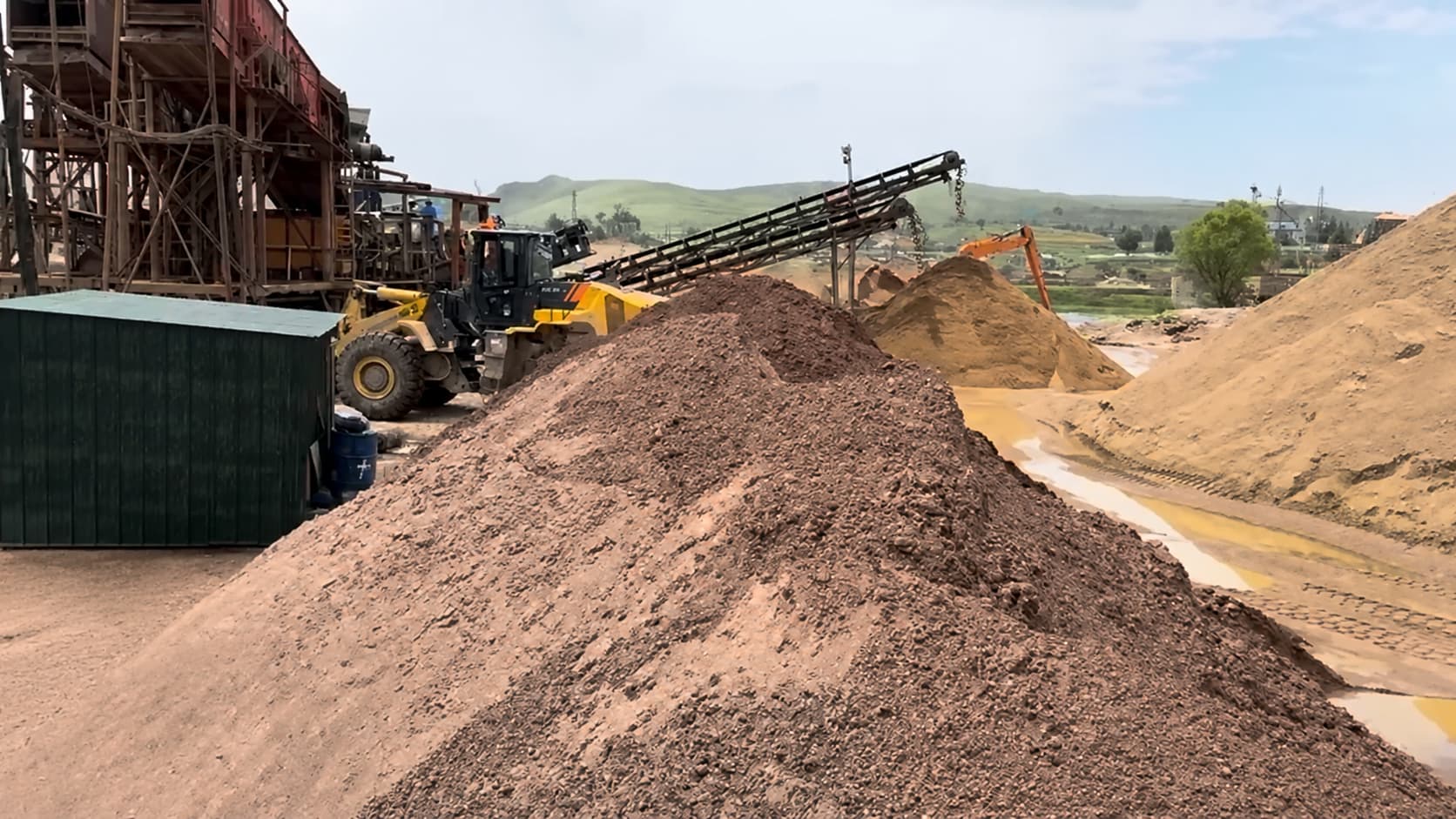
The process begins with selecting suitable raw garnet. Particle condition, mineral composition, and the level of unwanted material can affect later processing.
SEPPE checks the raw material before it enters the production line. This provides a stable base for separation, washing, drying, and grading. It is the first quality check, but not the last.
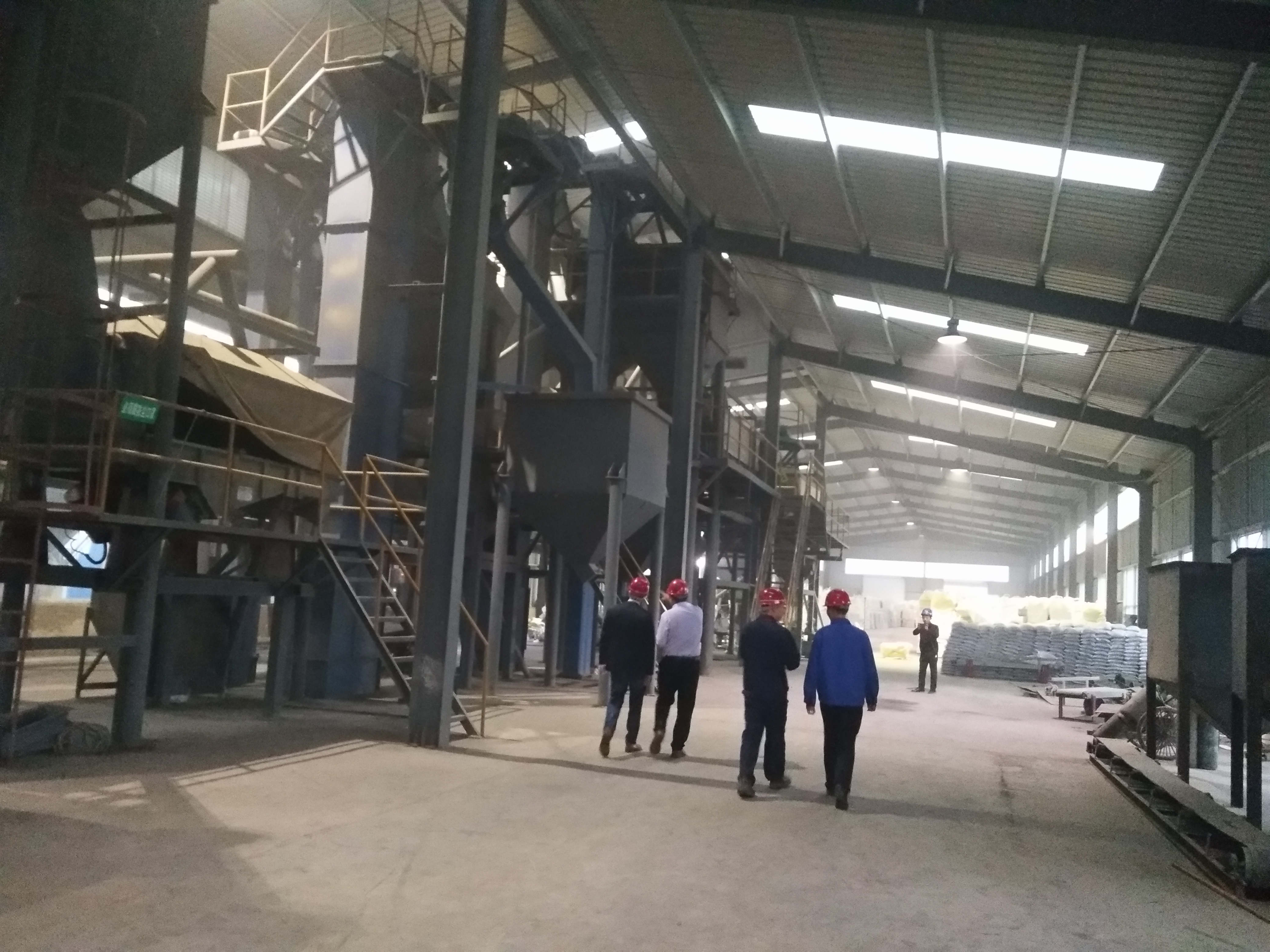
Raw garnet may contain magnetic minerals or iron-bearing particles. Magnetic separation helps reduce these unwanted materials before further processing.
This step improves product cleanliness and helps reduce variation between production batches. It is particularly relevant when garnet is used on surfaces with strict contamination requirements.
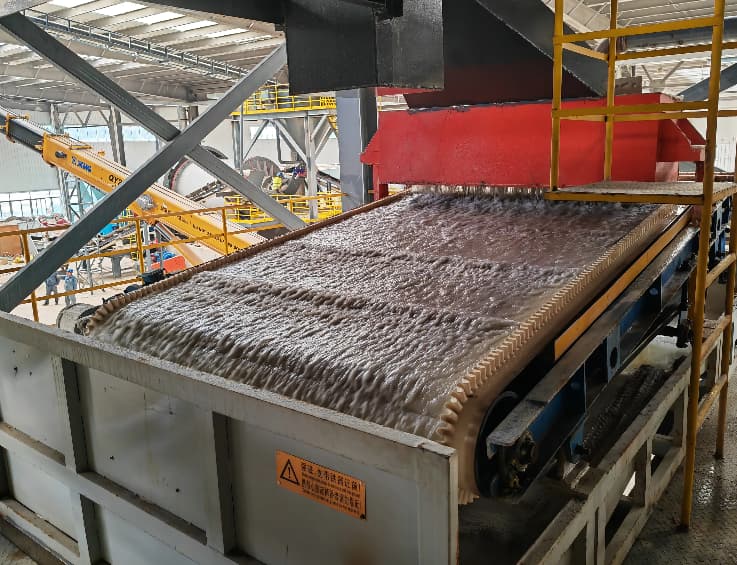
Washing removes clay, fine dust, and loose material from the particle surface.
Cleaner garnet flows more steadily and creates less unnecessary dust during use. For blasting and waterjet cutting, this can also help reduce unstable abrasive feeding and equipment interruptions.
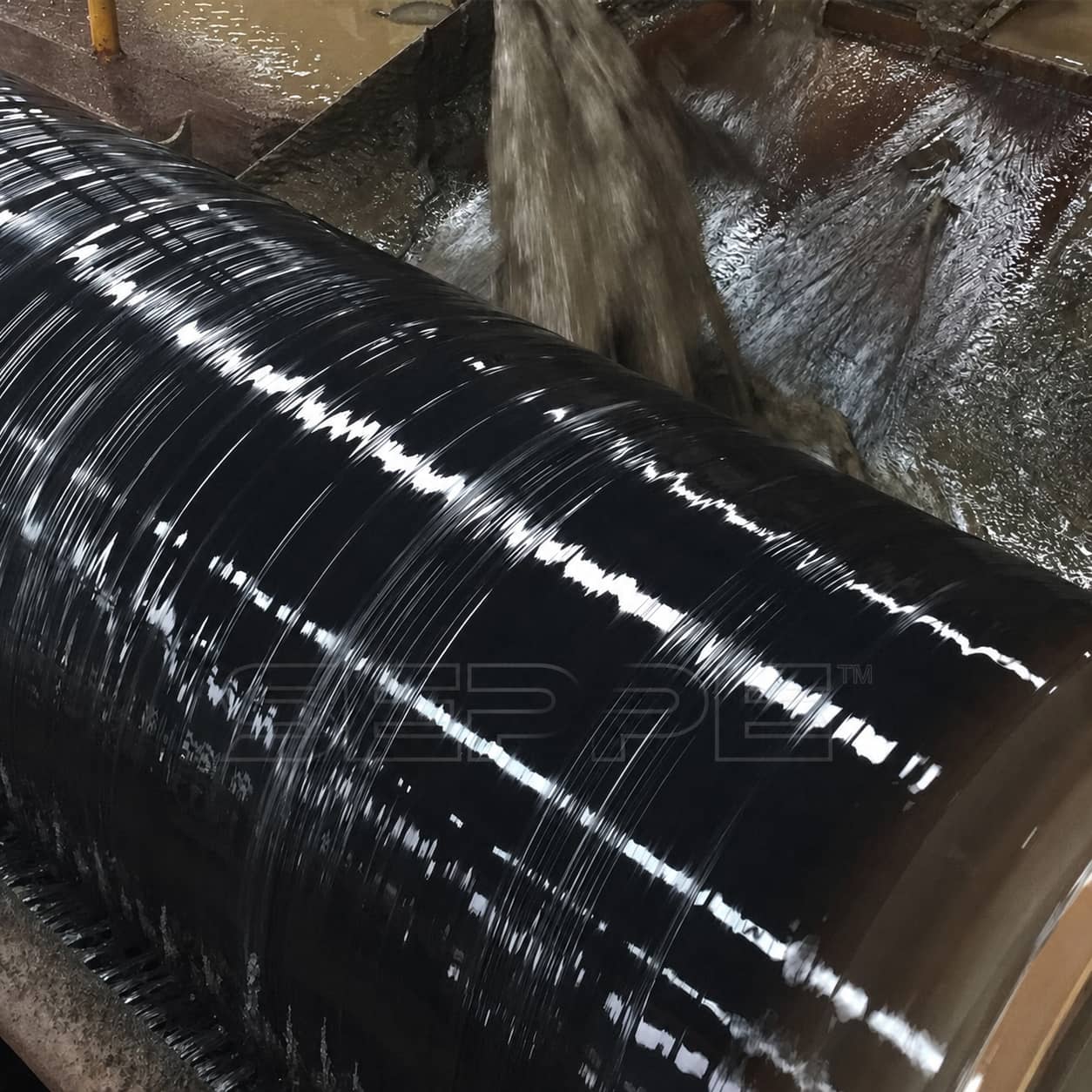
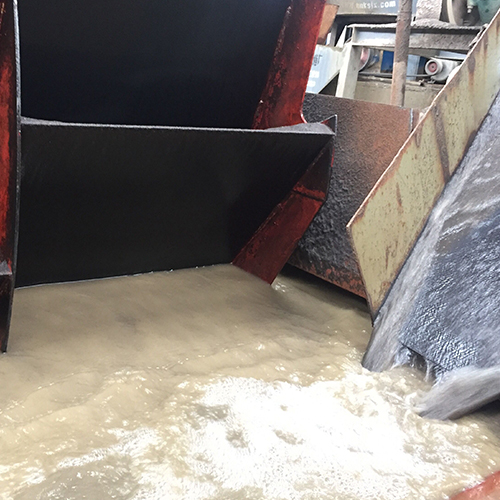
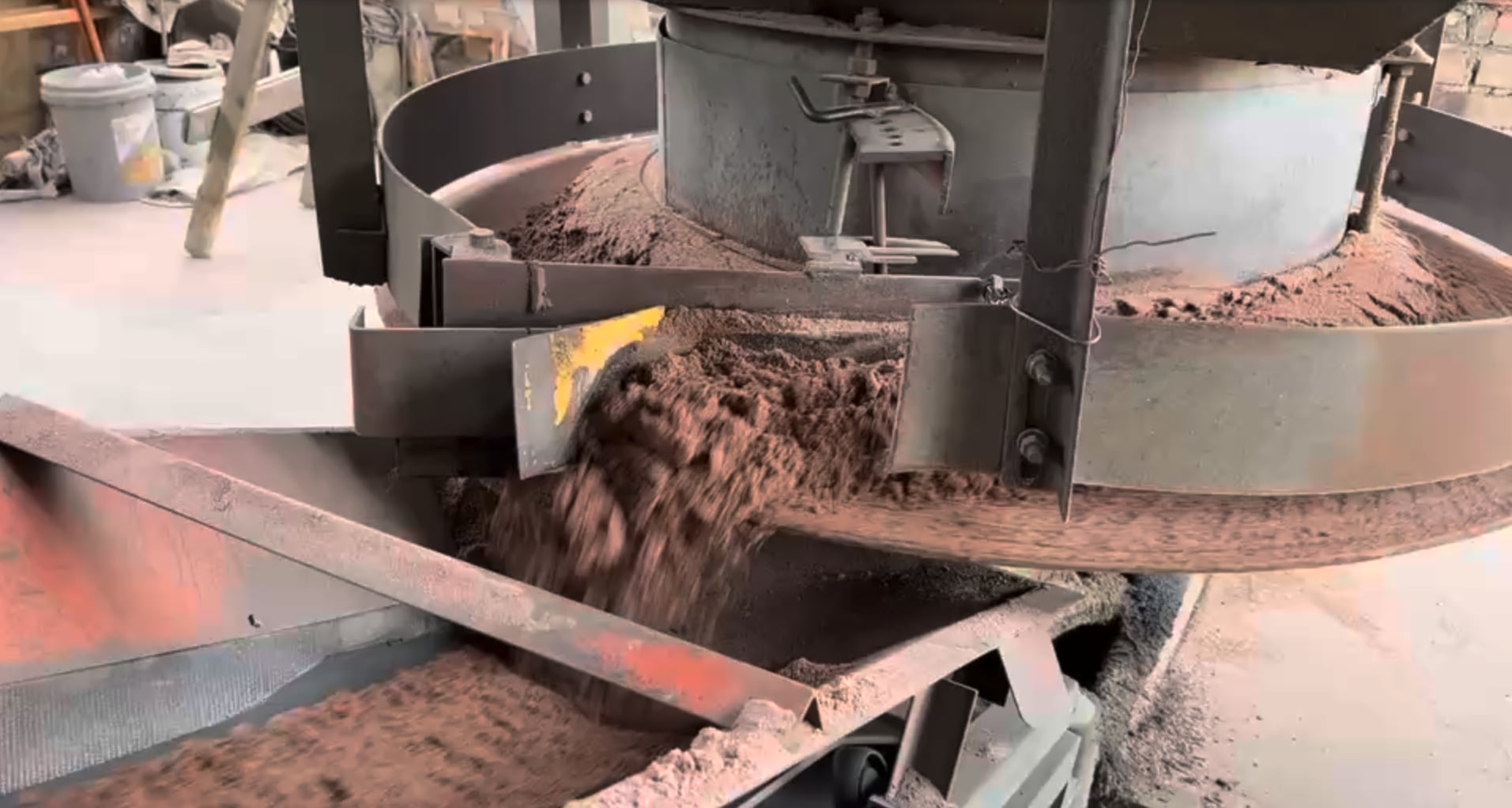
After washing, the garnet must be dried under controlled conditions.
Excess moisture may cause caking, poor flow, and uneven feeding. Stable moisture control also makes the material easier to screen, pack, and store.
Drying is therefore not simply a preparation step. It directly affects how the garnet behaves after delivery.
Different applications require different particle size distributions. Blasting, waterjet cutting, and filtration do not use the same grading requirements.
Screening removes oversized grains and excessive fines. It also separates the garnet into grades such as SGA 20/40 blasting garnet, SGA 30/60 blasting garnet, and SGA 80 mesh waterjet garnet.
Fine-particle screening is used to improve grading control. A more stable particle size distribution supports consistent abrasive flow, waterjet feeding, filtration performance, and surface results.
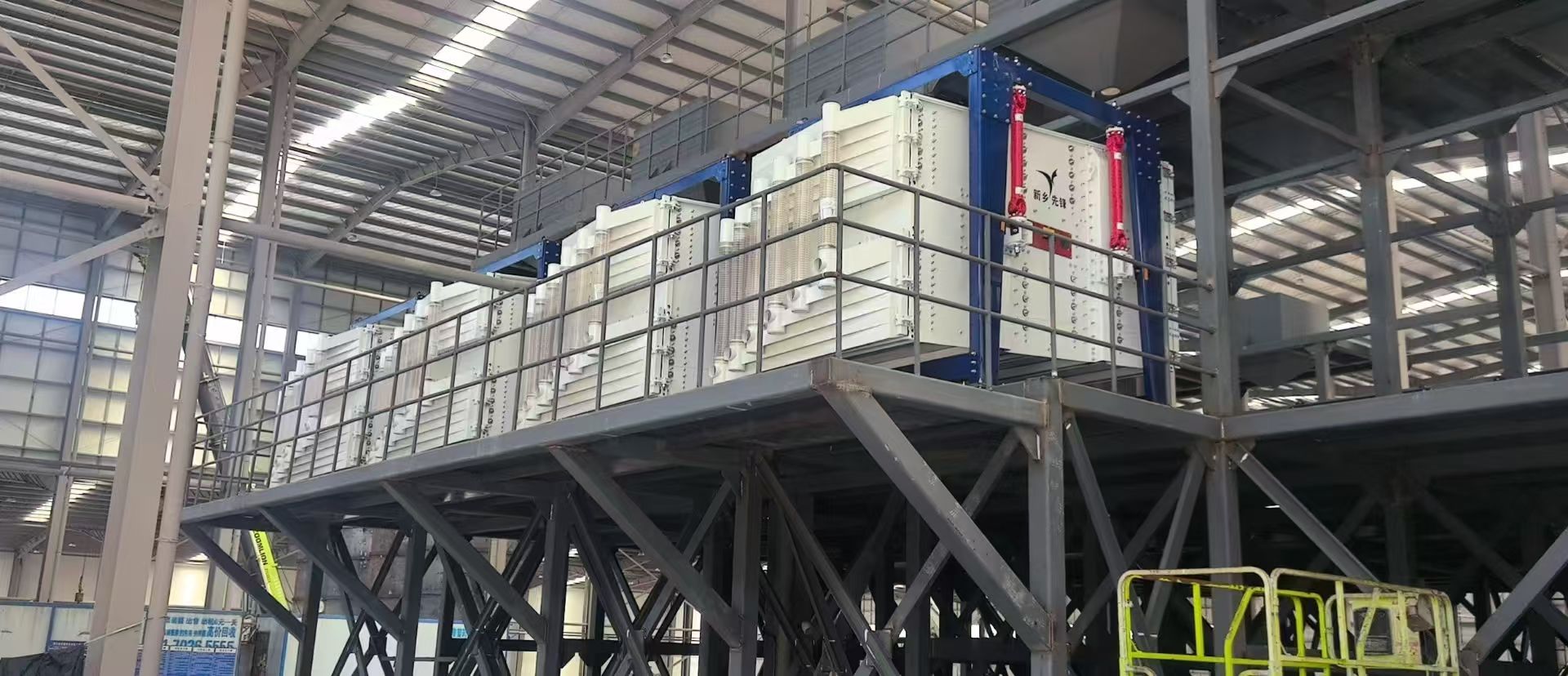
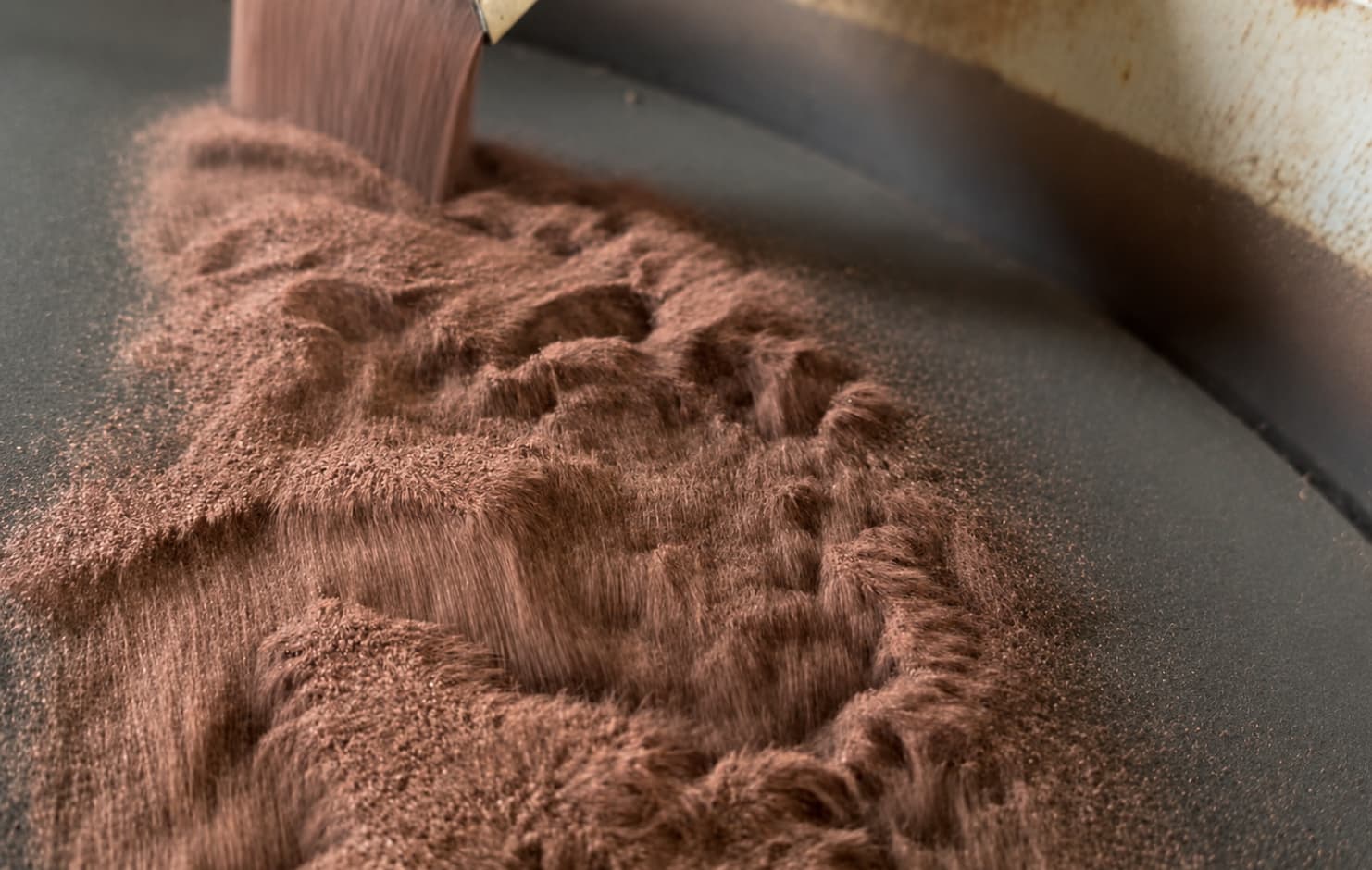
Screening defines the intended grade. Laboratory inspection confirms whether the finished batch meets its specification.
Depending on the product and application, inspection may cover particle size distribution, moisture, chloride, and other physical or chemical values. Test results can be recorded in the batch COA.
This step helps identify variation before the product is packed and shipped.
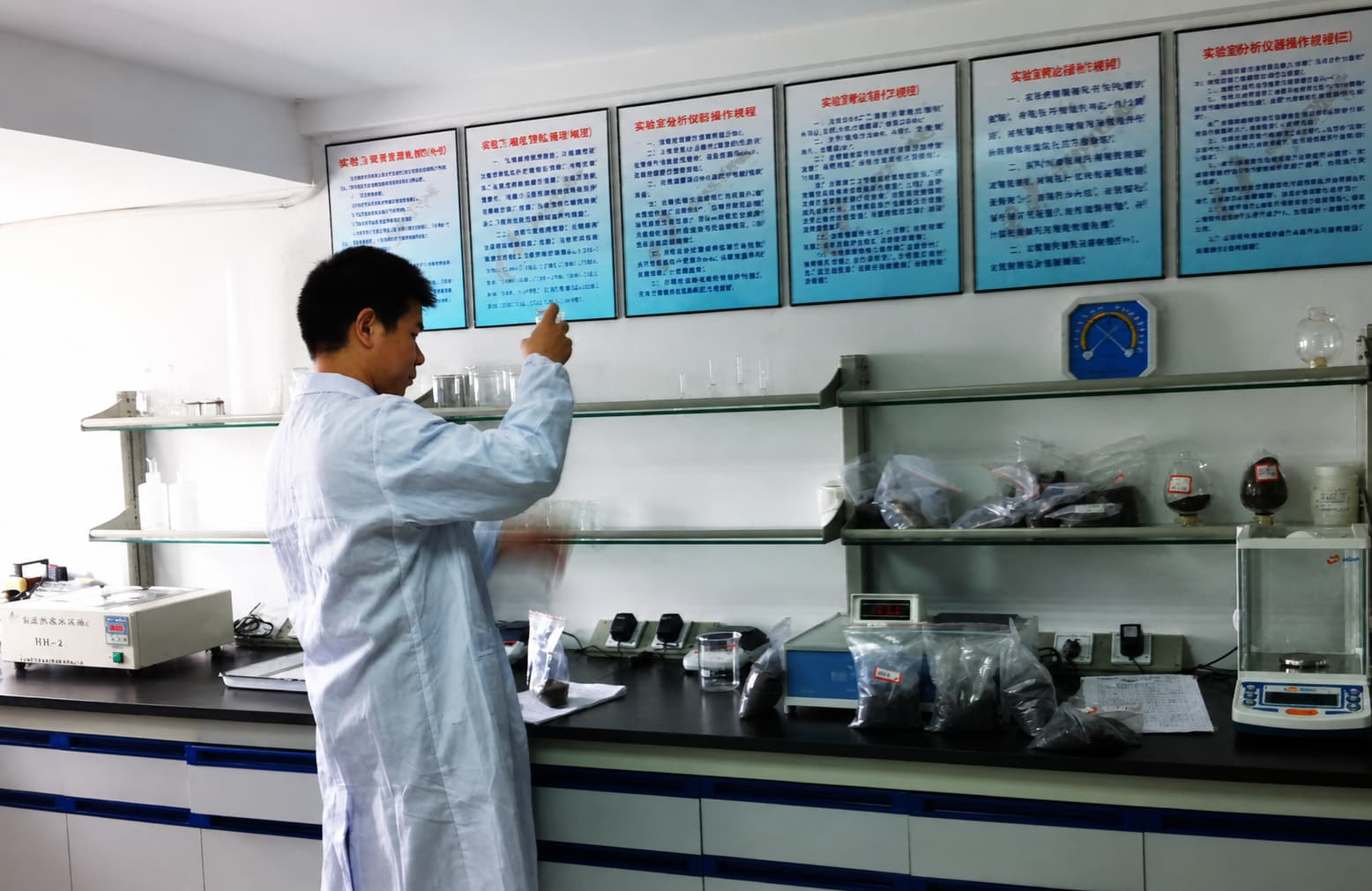
Quality control does not end when production is finished.
Before loading, SEPPE checks the packaging condition and confirms that the container is clean and dry. Product grade, labels, quantity, and loading arrangement are also reviewed. Loading and packaging photos can be provided when required.
These checks help protect the inspected product during storage and international transport.
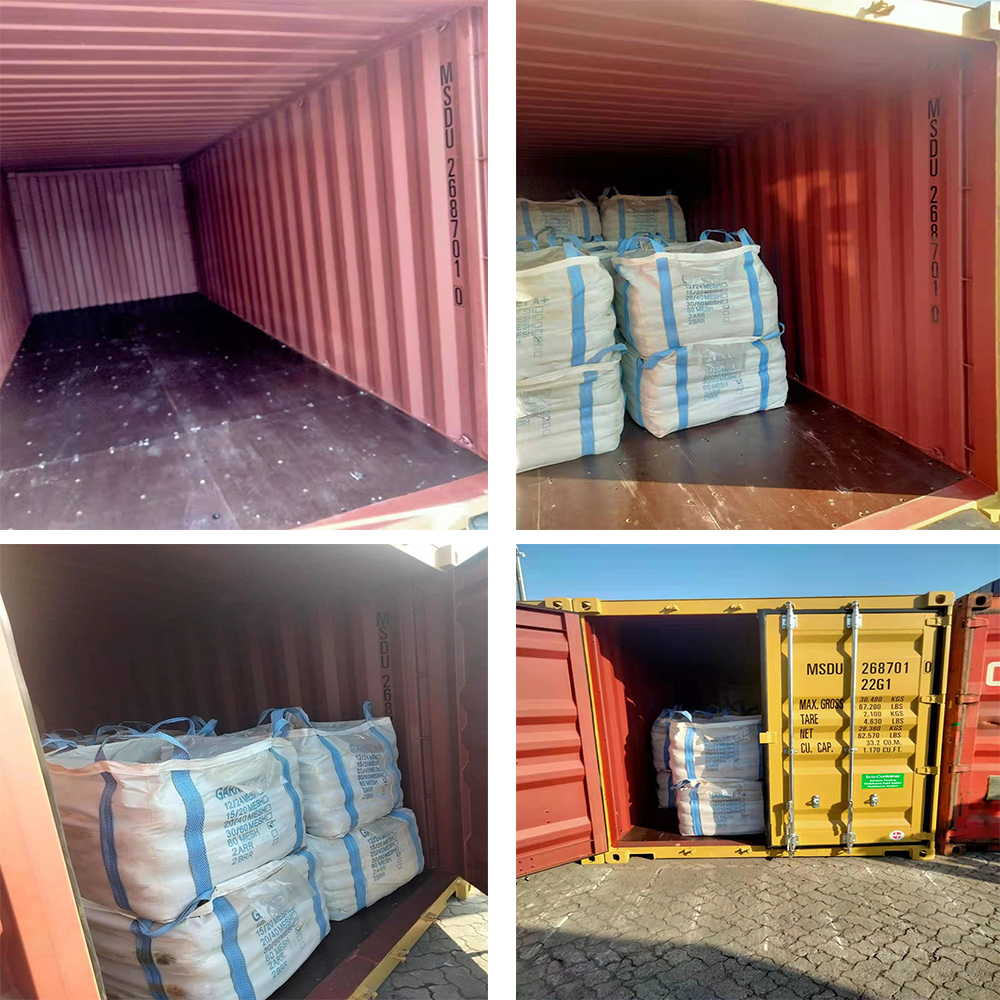
Stable raw material supply supports production capacity. Process control turns that raw material into a more consistent finished abrasive.
SEPPE supplies SGA Alluvial River Garnet for abrasive blasting, waterjet cutting, and industrial surface preparation. Common grades include 20/40, 30/60, and 80 mesh. Packaging options include 25 kg bags, 1,000 kg jumbo bags, palletized packaging, and container loading support. TDS, MSDS, batch COA, export packaging, and loading support are available.
In 2026, SEPPE is expanding garnet production capacity and upgrading its processing and fine-particle screening equipment to support continued, stable supply. Customers planning long-term orders or export purchases can contact SEPPE for specifications, samples, packaging options, and quotation support, or email info@seppe.cn.
