
Views: 166 Author: SEPPE Garnet Team Publish Time: 2026-09-30 Origin: SGA Blasting
During routine sandblasting operations, issues such as a sudden stoppage of abrasive flow, uneven output, or frequent clogging of hoses and nozzles by garnet abrasive can significantly disrupt on-site work.
To identify the cause of flow failure, it is necessary to distinguish between abrasive-related issues and equipment-related issues.
1. Moisture in the garnet abrasive
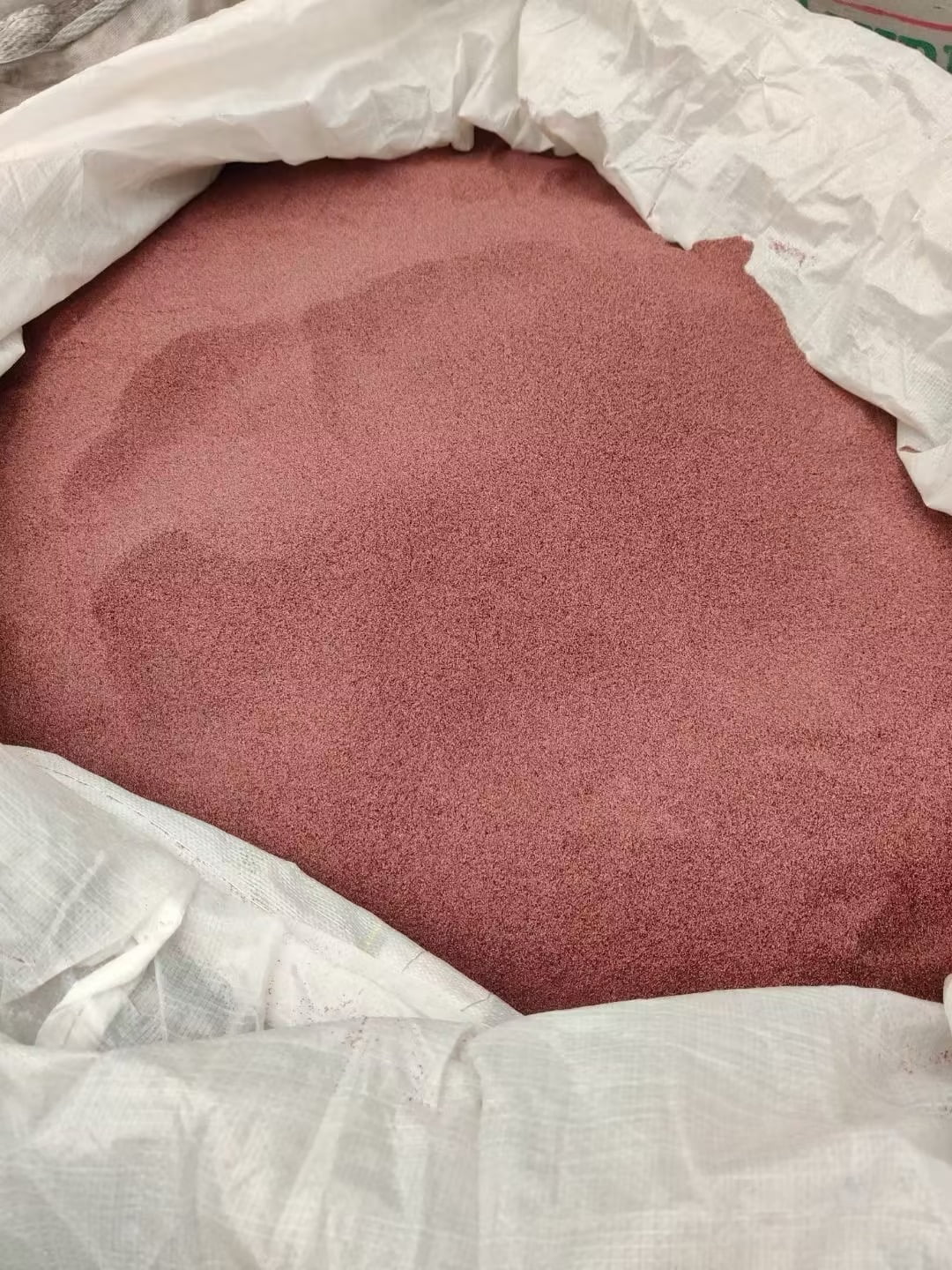
When garnet abrasive comes into contact with moisture, the grains clump together and become sticky, losing their flowability; this leads to accumulation at the metering valve or the abrasive feed outlet, causing a blockage.
Ensure you store the garnet abrasive in a dry, well-ventilated area. Before use, grab a handful to check for clumps or a damp, sticky feel.
2. Poor abrasive quality
Garnet abrasive containing excessive ultra-fine dust or oversized particles, or having a particle size distribution outside the specified range, can cause problems. Large particles can jam the metering valve gap or nozzle throat, while excessive fine dust can reduce flowability and form clumps, especially when moisture is present.
Using recycled garnet abrasive that has not undergone rigorous screening and dedusting can also leave excess fines and debris that interfere with abrasive flow and contribute to blockages.
3. Excessive abrasive feed
Feeding too much abrasive through the metering valve disrupts the air-to-abrasive mixing ratio. An "excess of abrasive relative to air" can cause the material to accumulate inside the hose, leading to a blockage.
4. Absence of a loading screen
If you load abrasive without passing it through a loading screen, packaging debris, impurities, or oversized particles can fall directly into the blast pot. These foreign objects can jam the metering valve opening or the nozzle throat as they pass through.
1. Internal blockage in the blast hose or nozzle
Excessive bending of the feed hose, internal wear causing the lining to peel, or foreign objects lodged in the nozzle throat can obstruct abrasive flow, resulting in reduced output or a complete stoppage of abrasive delivery.
Before removing the nozzle or disconnecting the hose, shut down the system, isolate the air supply, and release all stored pressure. Inspect the hose and nozzle for obstructions according to the equipment manufacturer's procedure.
2. Improperly adjusted or damaged abrasive valve
The abrasive valve controls the rate at which abrasive enters the delivery line. Improper valve settings, worn metering components, or internal abrasive buildup can lead to inconsistent abrasive flow or, in severe cases, a complete failure to supply abrasive.
With the system isolated and depressurized, clear any accumulated abrasive from inside the valve and inspect its components for wear. Replace worn parts and adjust the valve according to the manufacturer's instructions.
3. Insufficient compressed air pressure or flow rate
If the operating pressure is too low, the air supply is inadequate, or there is a leak in the air system, the abrasive may not be conveyed consistently through the delivery line, resulting in unstable flow or a total lack of abrasive output.
For daily operations, we recommend using high-quality garnet abrasive characterized by a controlled particle size distribution, high hardness, and low dust generation; also, ensure you properly install the loading screen.
Before starting up each day, drain condensate from the air compressor's receiver tank and moisture separator according to the manufacturer's instructions. If moisture remains a problem, an air dryer or aftercooler may be required; draining the receiver alone does not guarantee dry compressed air.
Periodically inspect the nozzle throat diameter and the inner wall of the abrasive delivery hose for wear to prevent issues before they occur.
