
Views: 105 Author: SEPPE Garnet Team Publish Time: 2026-08-13 Origin: SGA Waterjet
Wet blasting is not simply dry blasting with water added. The water changes the dust, the cleaning behavior and the inspection work after the surface dries. Garnet can still be useful, but it has to be selected for the wet system and the required surface result.
For buyers, the important question is practical: does the job need a water-only cleaning process, or does it need abrasive cutting action as well? Once that is clear, mesh size, cleanliness and moisture control become easier to judge.
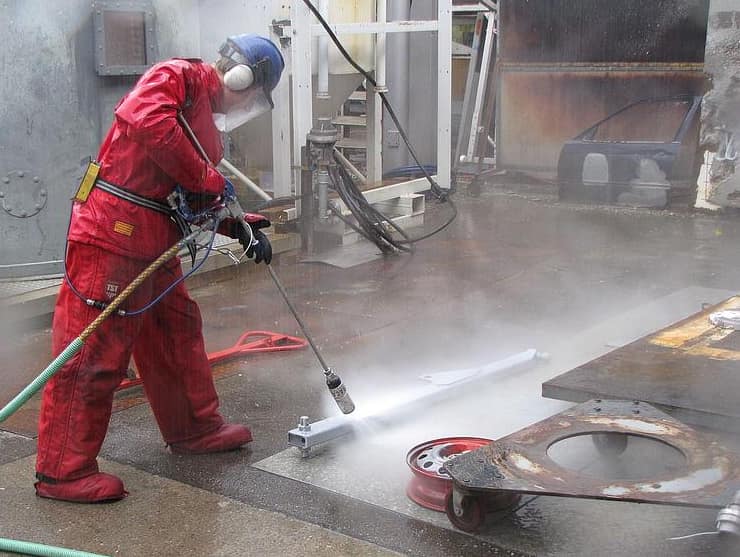
The names are often used loosely, so the first step is to define the process. Waterjet cleaning uses water to remove loose material, old coating or contamination. Wet abrasive blasting uses water together with abrasive media, so the garnet still contributes impact and cutting action.
Dry abrasive blasting
Air + abrasive
Air carries garnet to the surface. Grain size and shape strongly affect cleaning speed and profile.
Dust control depends on abrasive quality, surface condition and containment.
Wet abrasive blasting
Water + abrasive
Water holds down much of the airborne dust. Garnet still provides the cutting action.
Slurry, residue and flash rust must be checked before coating.
Waterjet cleaning
Water only, unless specified
Water removes loose material by pressure and flow. Many cleaning systems do not feed abrasive.
It can expose an existing profile. If cutting action or a new profile is required, abrasive use must be specified separately.
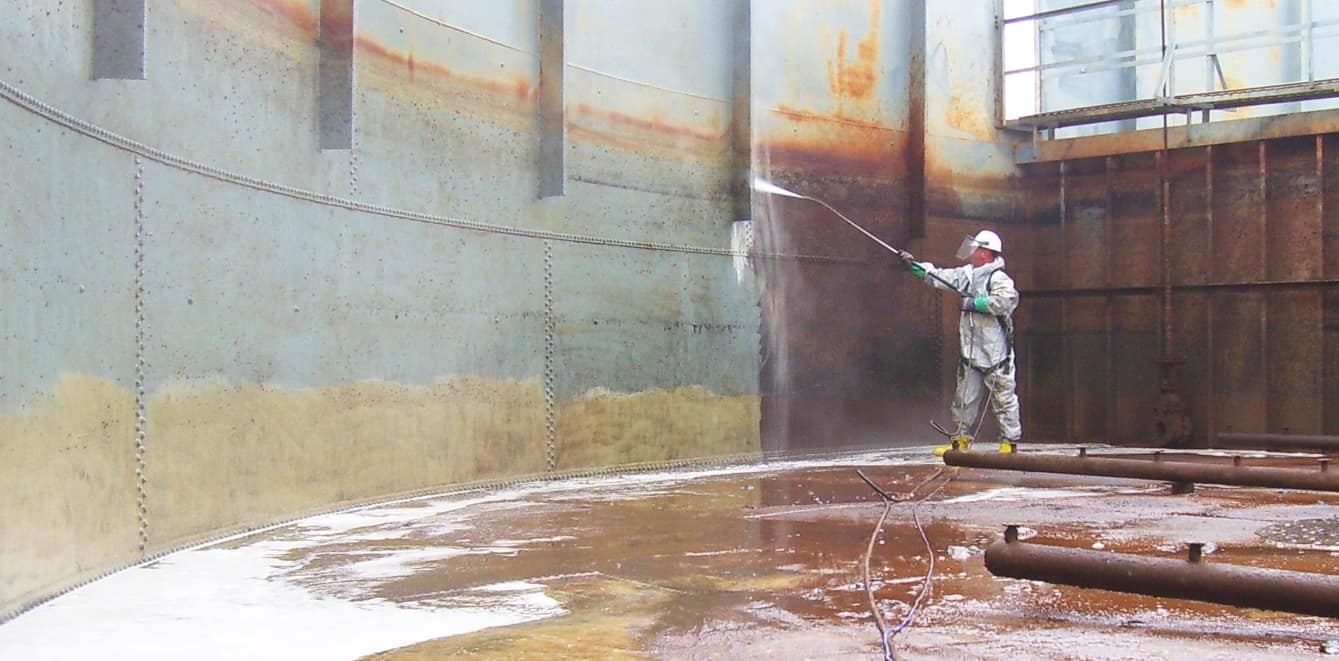
Garnet is useful when the surface needs more than rinsing. It can help remove coating residue, road-marking material, rust or tightly attached contamination. The water reduces airborne dust, while the abrasive gives the jet a sharper cleaning action.
This does not make the process harmless or automatic. The removed coating, rust and spent abrasive become wet waste. If the project involves old paint, salts or regulated contaminants, the waste plan matters as much as the abrasive grade.
Quick Selection View
Good fit
Use wet abrasive blasting when coating residue, road marking or rust needs mechanical cutting and airborne dust must be reduced.
Check first
Confirm that the machine can feed abrasive slurry steadily and that the selected mesh size suits the nozzle and recovery plan.
Do not assume
A wet surface may look clean before it is ready. Profile, flash rust and soluble contamination still need acceptance checks.
The visible dust cloud usually falls because fine particles are held by water. That is one reason wet systems are used in enclosed work areas or maintenance jobs where dry blasting would be difficult to contain. Still, dust control is only one part of the decision.
Water can leave abrasive residue on the surface and can trigger flash rust on carbon steel as the surface dries. A rinse step, inhibitor choice and coating window should follow the project specification. Garnet quality helps the process run cleanly, but it does not replace surface acceptance checks.
Inspector note
Do not approve the surface while it is still wet. Water can hide flash rust, remaining coating in pits and loose residue that becomes visible after drying.
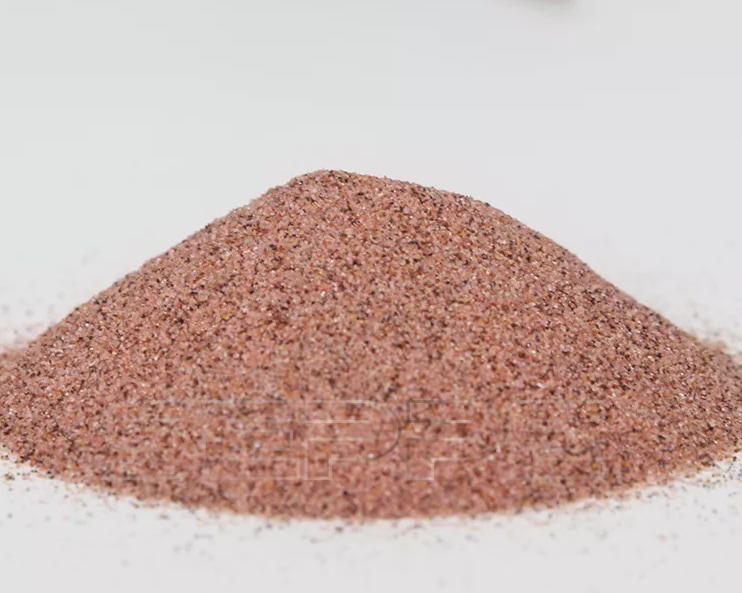
A wet blasting grade should feed steadily and resist turning into mud inside the system. Excess fines can thicken the slurry and reduce useful impact. Oversize particles may interrupt the feed or wear parts faster than expected.
Mesh size depends on the surface and the equipment. Coarser blasting grades, such as SGA 30/60 garnet, are often considered when impact and profile are required. Finer material may suit lighter cleaning, but it should not be selected only because it looks cleaner in the bag.
A short trial tells more than a general claim. Use the same pressure, nozzle distance and pass speed on a familiar surface. Let the area dry before the official check, because the wet appearance can be misleading.
1Equipment
Confirm abrasive feed before production. A water-only cleaning unit should not be judged as a failed garnet application.
2Dried surface
Check pits, remaining coating and profile only after the water has cleared from the surface.
3Sign-off
Approve the method only after slurry handling, flash rust limits and the coating window have been reviewed.
For water-only cleaning, abrasive may not be needed. For wet abrasive blasting, garnet selection should be made together with the machine setup and the required surface profile. The right answer is not the driest-looking article title; it is the grade that works in the actual wet system.
Technical references
AMPP - Waterjet and wet abrasive blast cleaning methods
ISO 8501-4:2020 - Visual assessment of surface cleanliness in connection with water jetting
For a wet blasting trial grade or batch documents, contact SEPPE with the equipment type, surface material and target coating requirement.
