Views: 0 Author: SEPPE Sales Manager Publish Time: 2026-11-05 Origin: SEPPE Garnet Team
Planning to source garnet abrasives? Concerned about selecting the wrong grade, dealing with a complicated testing process, or taking on too much risk with your first purchase?
SEPPE provides technical support from sample selection and test arrangements through bulk purchasing. We help you confirm the appropriate product specification and, after the sample passes testing, further define the quality requirements and purchasing arrangements for bulk supply.
If you are a distributor selecting products for the first time, start by identifying your main local customers. Are they sandblasting contractors, steel structure and shipbuilding companies, or waterjet cutting facilities? Avoid introducing too many grit sizes before the intended applications are clear.
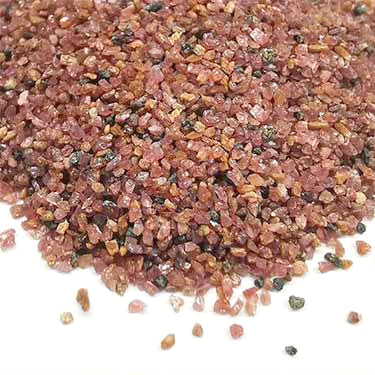
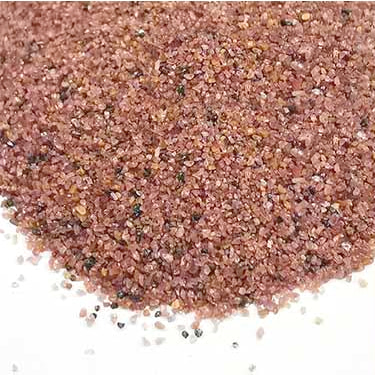
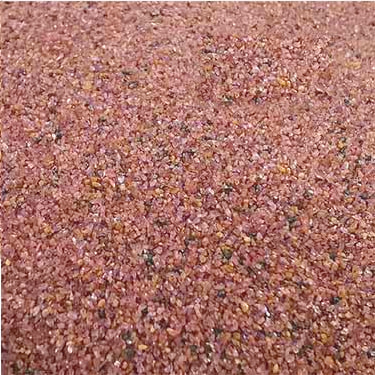
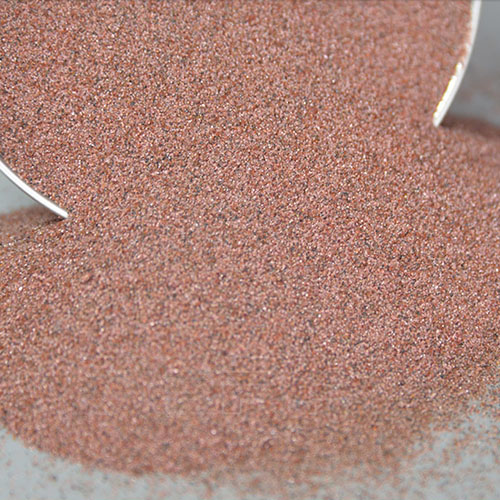
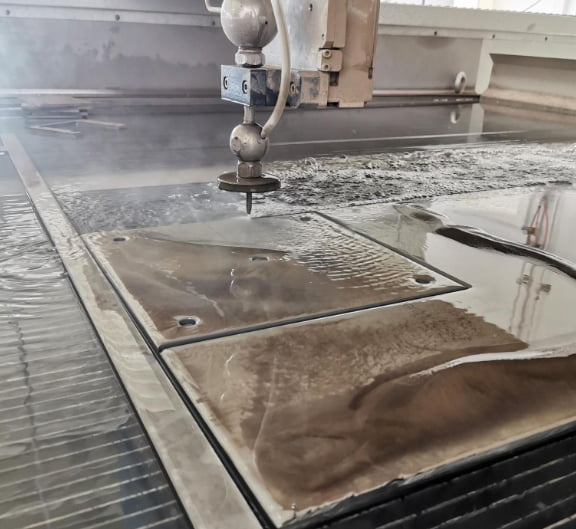
SEPPE currently supplies garnet abrasives mainly for sandblasting surface preparation and waterjet cutting. Different applications require different grit sizes.
Once your application requirements and product specifications are clear, contact SEPPE through our contact form. You can enter the intended application, required grit size, sample quantity, and your contact information.
We will help you confirm the appropriate product and arrange sample delivery. Other details, including packaging requirements, costs, and terms, can be discussed by email at info@seppe.cn.
Before the samples arrive, you can request the TDS, SDS, and relevant quality inspection documents for the selected grit size from the supplier. You should also confirm the sample specification, quantity, and estimated arrival time.
TDS (Technical Data Sheet): Shows the product’s typical technical values and specification ranges. For sandblasting products, common points of interest include particle size distribution, conductivity, free silica content, and other values related to the intended application.
SDS (Safety Data Sheet): Provides information about product hazards, safe handling, and storage requirements.
COA (Certificate of Analysis): Lists the test results for a specific batch so that you can confirm whether the product meets the agreed requirements.
After receiving the samples, product quality should not be judged only by appearance or by the technical values supplied by the manufacturer.
After checking the sample specification and quantity, it is best to confirm the person responsible for testing, the test schedule, and the evaluation criteria in advance so that the samples are not left in storage for a long period.
Sandblasting customers can conduct a small-scale blasting trial and observe the cleaning result, with particular attention to cleaning efficiency, abrasive consumption, and surface roughness. For waterjet cutting, the main points include cutting speed, feed stability, cut quality, and abrasive consumption.
After testing, compile the results and compare them with the evaluation criteria defined in advance. SEPPE will continue to follow the progress of the sample test and use your feedback to help confirm whether the product meets the actual application requirements.
Once the sample passes testing, end users should prepare a purchasing plan based on the project schedule, actual consumption, and available storage space. Distributors should evaluate local market demand and the inventory risk of the first order. If necessary, they can begin with small-volume trial sales.
The next step is to turn the test results into an executable first full-container order with manageable risk.
Before placing the first full-container order, confirm the bulk product specification, quality acceptance criteria, and packaging requirements with the supplier so that the bulk supply follows the same requirements as the tested sample. At the same time, confirm the formal quotation, payment method, production lead time, delivery schedule, and shipping arrangements so that the order can be carried out as planned.
To request samples or discuss purchasing arrangements, complete the form in the SEPPE Quality Control section.